Can Relief Be Found From Heel Spurs?

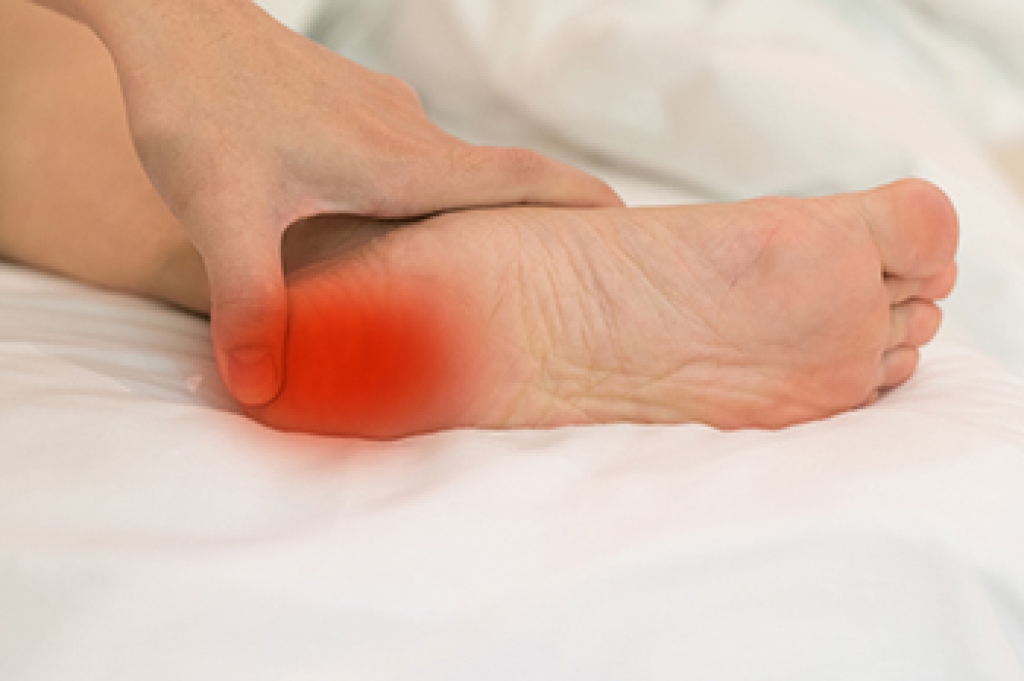
A calcium deposit which may result in a heel spur can occur from inflammation and tiny tears in the plantar fascia. This is the band of tissue that runs along the sole of the foot, and connects the heel to the toes.  A heel spur can cause severe pain and discomfort, despite its small size. It can develop from participating in running and jumping activities, and people who are overweight are at an increased risk to get heel spurs. A common symptom many patients have can include stabbing heel pain, which may be worse upon arising in the morning. Mild relief may be found when custom made orthotics are worn, and this may help to alleviate some of the pressure and pain that often accompanies Sever's disease. In severe cases, surgery may be an option to consider that can permanently remove the heel spur. If you have developed this ailment, it is strongly advised that you are under the care of a podiatrist who can determine what the best course of treatment is for you.

Heel spurs can be incredibly painful and sometimes may make you unable to participate in physical activities. To get medical care for your heel spurs, contact one of our podiatrists from Footcare Now. Our doctors will do everything possible to treat your condition.

Heels Spurs

Heel spurs are formed by calcium deposits on the back of the foot where the heel is. This can also be caused by small fragments of bone breaking off one section of the foot, attaching onto the back of the foot. Heel spurs can also be bone growth on the back of the foot and may grow in the direction of the arch of the foot.

Older individuals usually suffer from heel spurs and pain sometimes intensifies with age. One of the main condition's spurs are related to is plantar fasciitis.

Pain

The pain associated with spurs is often because of weight placed on the feet. When someone is walking, their entire weight is concentrated on the feet. Bone spurs then have the tendency to affect other bones and tissues around the foot. As the pain continues, the feet will become tender and sensitive over time.

Treatments

There are many ways to treat heel spurs. If one is suffering from heel spurs in conjunction with pain, there are several methods for healing. Medication, surgery, and herbal care are some options.

If you have any questions, please feel free to contact our offices located in Elmhurst Jackson Heights, Astoria, Rego Park, and Forest Hills, NY . We offer the newest diagnostic and treatment technologies for all your foot care needs.

Read more about How to Treat Heel Spurs

Are You Suffering From Ingrown Toenails?

If left untreated, an ingrown toenail can lead to more serious concerns, such as an infection. Knowing proper nail care can help in the prevention of an ingrown toenail. Give us a call, and get treated!

Dealing with Injuries Common to Runners

Anyone who runs for exercise or sports, such as track and soccer, knows that injury to their feet and ankles are bound to occur at some point. The most common injuries happen as a result of overuse. Among them are plantar fasciitis (heel pain), Achilles tendonitis (back of the ankle pain), sesamoiditis (pain at the base of the toes), and stress fractures (frequently in the metatarsal bones). By far, the most common of these is plantar fasciitis, caused by inflammation of the band of tissue that holds up the arch on the foot. Some relief can be provided by stretching exercises, resting and icing the area, and finding shoes with better arch support. Pain in the back of the heel, generally caused by an inflamed Achilles tendon, is a common sign of overuse, especially among beginners who run too far, too fast. Rest, ice, compression and elevation may help, along with stretching exercises, and possibly orthotics. Pain, burning, and swelling in the ball of the foot can be caused by a pinched nerve or inflammation in the metatarsal joints. Orthotics and different running shoes can help. Stress fractures are difficult to detect and slow to heal, but cause ongoing discomfort. For help with any of these common injuries, it is best to consult with a podiatrist who can do a thorough examination and provide proper treatment options depending on the diagnosis.

Ankle and foot injuries are common among athletes and in many sports. They can be caused by several problems and may be potentially serious. If you are feeling pain or think you were injured in a sporting event or when exercising, consult with one of our podiatrists from Footcare Now. Our doctors will assess your condition and provide you with quality foot and ankle treatment.

Common Injuries

The most common injuries that occur in sporting activities include:

  • Achilles Tendonitis
  • Achilles Tendon Rupture
  • Ankle Sprains
  • Broken Foot
  • Plantar Fasciitis
  • Stress Fractures
  • Turf Toe

Symptoms

Symptoms vary depending upon the injury and in some cases, there may be no symptoms at all. However, in most cases, some form of symptom is experienced. Pain, aching, burning, bruising, tenderness, tightness or stiffness, sensation loss, difficulty moving, and swelling are the most common symptoms.

Treatment

Just as symptoms vary depending upon the injury, so do treatment options. A common treatment method is known as the RICE method. This method involves rest, applying ice, compression and elevating the afflicted foot or ankle. If the injury appears to be more serious, surgery might be required, such as arthroscopic or reconstructive surgery. Lastly, rehabilitation or therapy might be needed to gain full functionality in the afflicted area. Any discomfort experienced by an athlete must be evaluated by a licensed, reputable medical professional.  

If you have any questions please contact our offices located in Elmhurst Jackson Heights, Astoria, Rego Park, and Forest Hills, NY . We offer the newest diagnostic and treatment technologies for all your foot and ankle needs.

Read more about Sports Related Foot and Ankle Injuries

Is Reflexology an Effective Form of Foot Therapy?

An effective form of foot therapy is known as foot reflexology. There are many patients who enjoy the benefits of this type of therapy, including a general feeling of well being and even stress reduction. Zone therapy is another name for reflexology, and it is practiced by applying pressure to the feet with the hands. Additional benefits include improved blood circulation, balanced energy, and nerve responses may increase. There are zones in the feet that correspond to different organs in the body and can be stimulated when pressure is applied. Research has shown that there are certain ailments that may be helped while practicing foot reflexology, such as migraine headaches and digestion problems. If you would like to learn more about the benefits of foot reflexology and how it is performed, please consult a podiatrist.

Foot therapy is often necessary for those recovering from either foot deformities or foot injuries. If you have concerns regarding therapy, consult with one of our podiatrists from Footcare Now. Our doctors can provide the care you need to keep you pain-free and on your feet.

Most Common Injuries

People who are active or athletes are prone to a variety of injuries. Therefore, it is often important to take part in physical therapy in order to quickly get back on the right track. 

What to Do When Injured

Physical Therapy – This specialized treatment will focus on the affected area, speeding up recovery and the overall healing process. It is a proven method that has helped millions of people return from any injury.

During physical therapy you will undergo regimented training to get back into full form. Training is often very difficult, especially at first when the foot feels weak. Physical therapy often involves:

Basic stretching and twisting exercises – getting the feet’s mobility and flexibility up.

Massaging – the therapist will massage the injured area in order to activate the muscles and relax them.

Strengthening Exercises – this allows the muscles in the affected area to regain their full strength, a vital step towards full recovery.

If you have any questions, please feel free to contact our offices located in Elmhurst Jackson Heights, Astoria, Rego Park, and Forest Hills, NY . We offer the newest diagnostic and treatment technologies for all your foot care needs.

Read more about Foot Therapy for Sports Injuries

What to Do for Bunions

Bunions, also referred to as “hallux valgus” can become painful. A bunion is a bump on the side of the big toe that comes from an inherited structural problem with the foot or changes in the bones in the front part of the foot from wearing shoes that crowd the toes. When one develops a bunion, it means that the big toe starts leaning towards the second toe rather than pointing straight forward. Though symptoms such as pain, inflammation and redness, a burning sensation, and numbness can come in later stages of bunion development, sometimes there are never symptoms other than the bump. Dealing with a bunion may be as simple as changing shoes to ones that have more room in the toe box and don’t put the foot at an unnatural angle, such as when wearing high heels. Other ways of helping with a bunion include placing padding over the bump, spending less time on your feet, modifying activities, getting cortisone shots, or possibly having surgery. A visit to a podiatrist will confirm a diagnosis of a bunion and appropriate treatment will be suggested.

If you are suffering from bunion pain, contact one of our podiatrists of Footcare Now. Our doctors can provide the care you need to keep you pain-free and on your feet.

What Is a Bunion?

Bunions are painful bony bumps that usually develop on the inside of the foot at the joint of the big toe. As the deformity increases over time, it may become painful to walk and wear shoes. Women are more likely to exacerbate existing bunions since they often wear tight, narrow shoes that shift their toes together. Bunion pain can be relieved by wearing wider shoes with enough room for the toes.

Causes

  • Genetics – some people inherit feet that are more prone to bunion development
  • Inflammatory Conditions - rheumatoid arthritis and polio may cause bunion development

Symptoms

  • Redness and inflammation
  • Pain and tenderness
  • Callus or corns on the bump
  • Restricted motion in the big toe

In order to diagnose your bunion, your podiatrist may ask about your medical history, symptoms, and general health. Your doctor might also order an x-ray to take a closer look at your feet. Nonsurgical treatment options include orthotics, padding, icing, changes in footwear, and medication. If nonsurgical treatments don’t alleviate your bunion pain, surgery may be necessary.

If you have any questions, please feel free to contact our offices located in Elmhurst Jackson Heights, Astoria, Rego Park, and Forest Hills, NY . We offer the newest diagnostic and treatment technologies for all your foot care needs.

Read more about Bunions

Connect With Us